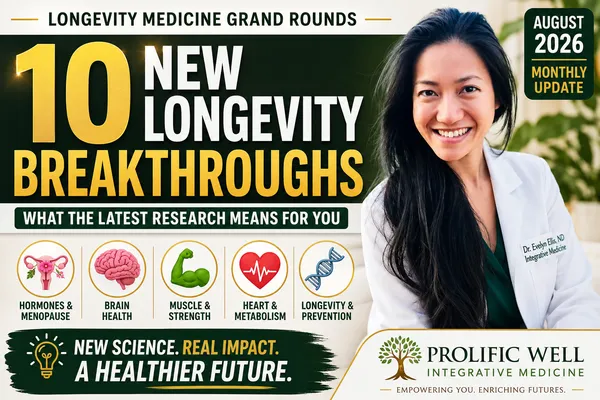
The Biggest Longevity Breakthroughs This Month: New Research on Hormones, Brain Health, Weight Loss & Healthy Aging (August 2026)
Every month, hundreds of new medical studies are published on longevity, healthy aging, hormone therapy, menopause, brain health, metabolism, cardiovascular disease, osteoporosis, nutrition, and exercise. Some become headlines, while many of the most important findings never reach the public.
The challenge isn't finding information—it's knowing which research is high quality, how strong the evidence is, and what it means for your everyday health.
That's why I created Longevity Medicine Grand Rounds, a monthly series where I review the latest research and translate it into practical recommendations for healthier aging.
If you're new here, you may also enjoy my article on How Integrative & Functional Medicine Uncover the Root Cause of Hormone Imbalance and Chronic Fatigue, where I explain why looking beyond symptoms is essential for long-term health.
This Month's Biggest Themes
After reviewing the literature, five themes emerged:
Hormone therapy and menopause
Muscle as a longevity organ
Brain health and dementia prevention
Weight-loss medications and muscle preservation
Preventive medicine
Let's explore what they mean.
1. Menopause Is More Than Hot Flashes
One of the strongest messages this month is that menopause is a long-term health transition affecting bone, cardiovascular health, metabolism, cognition, and quality of life.
Hormone therapy continues to be an individualized decision rather than a one-size-fits-all solution.
If you're trying to better understand hormone changes, these resources expand on today's discussion:
2. Muscle May Be One of the Best Predictors of Healthy Aging
New research continues to reinforce what we've observed clinically for years:
Muscle is far more than strength.
It supports:
insulin sensitivity
glucose regulation
balance
bone density
mobility
independence
Healthy aging is not simply about living longer.
It's about preserving the ability to keep doing the things you love.
3. Brain Health Starts Earlier Than Most People Think
Researchers continue to support a multidomain approach to preventing cognitive decline.
That includes:
movement
nutrition
blood pressure
quality sleep
social connection
lifelong learning
If brain health interests you, I recommend reading:
50 Years of Anxiety Gone? The Power of Finding Your True Voice and Reclaiming Your Life
Unlocking the Secrets of the Microbiome: How Gut Health Transforms Your Well-being
You'll notice a common theme: the gut, brain, immune system, and hormones are deeply interconnected.
4. Weight Loss Should Protect Muscle
One of the most exciting areas of medicine continues to be GLP-1 therapy.
However, successful weight loss isn't measured only by the number on the scale.
Healthy aging means protecting:
muscle
bone
metabolism
physical function
This complements my previous article:
because sustainable metabolism depends on much more than calorie restriction.
5. Prevention Is the Best Longevity Strategy
This month's research reminded us that many of the strongest longevity interventions aren't expensive or complicated.
They include:
resistance training
adequate protein
blood pressure control
restorative sleep
stress management
preventive screening
meaningful relationships
If you're just beginning your health journey, start here:
Health transformation begins with purpose before protocols.
What This Means For You
You don't need to implement ten new habits tomorrow.
Instead, choose one:
✓ Start resistance training.
✓ Increase protein intake.
✓ Check your blood pressure.
✓ Schedule your preventive screening.
✓ Address persistent hormone symptoms.
Small, consistent actions produce meaningful long-term results.
Watch the Full Grand Rounds
If you'd like to see each study explained in greater detail—including where it was published, the strength of the evidence, study limitations, and how it may influence clinical practice—watch this month's Longevity Medicine Grand Rounds on YouTube.
Continue Learning
If you enjoyed this article, you may also like:
Hormones & Healthy Aging
Gut Health & Longevity
Heal Your Gut, Boost Your Hormones, and Regain Energy Through Food Diversity
Unlocking the Secrets of the Microbiome: How Gut Health Transforms Your Well-being
Brain Health
50 Years of Anxiety Gone? The Power of Finding Your True Voice and Reclaiming Your Life
Midlife Isn't a Crisis: How Women 45+ Can Reclaim Purpose, Confidence, and Their Heart's Calling
Learn more:
This month's Longevity Medicine Grand Rounds
Frequently Asked Questions
Is hormone therapy safe?
Hormone therapy is not one-size-fits-all. Current evidence suggests it may benefit appropriately selected women, particularly when started near menopause, but decisions should be individualized based on symptoms, medical history, cardiovascular risk, and personal goals.
What is the most important longevity habit?
Research consistently supports resistance training, adequate protein intake, cardiovascular health, quality sleep, and maintaining a healthy metabolic profile as foundational habits for healthy aging.
Does losing weight always improve health?
Not necessarily. Weight loss that includes significant muscle loss may reduce strength and metabolic health. The goal is to improve body composition while preserving lean muscle.
Can lifestyle slow biological aging?
Research suggests that exercise, nutrition, sleep, stress management, and metabolic health influence biological aging markers. While scientists continue to study these mechanisms, healthy lifestyle habits remain the most evidence-supported approach.
If you enjoy learning about the science behind healthy aging, I invite you to watch this month's Longevity Medicine Grand Rounds on YouTube, where I explain these studies in greater depth and discuss how they may influence clinical care and everyday health decisions.
If you have questions or would like to explore a personalized prevention plan, schedule a consultation. My goal is to help you understand your body, make informed decisions, and add more life to your years.


