
Prevent Fall Fatigue: How to Reset Your Energy, Immunity, Sleep, and Stress Rhythm
As summer transitions into fall, many people notice something changing before they can quite explain it.
Morning feels harder. Energy drops earlier in the afternoon. Sleep may become less predictable. Cravings increase. Stress starts building. Children return to school, family schedules become busier, daylight begins to shift, and suddenly the relaxed rhythm of summer is gone.
This is what I call fall fatigue.
Fall fatigue is not a formal medical diagnosis. It is a useful way to describe the combination of fatigue, disrupted sleep, stress, changing routines, and seasonal demands that many people experience as summer transitions into autumn.
The answer is not necessarily another supplement, another cup of coffee, or a complicated “detox.”
Often, the first step is restoring rhythm.
In my recent Prevent Fall Fatigue: Reset Energy, Immunity, and Stress Rhythm wellness talk, I shared practical strategies families can use to create a smoother transition into fall.
What causes fall fatigue?
Your body constantly receives signals from your environment.
Light tells your brain what time of day it is.
Food provides information about energy availability.
Movement influences blood sugar, circulation, muscle health, mood, and sleep.
Stress changes nervous-system activity.
Sleep gives the body time for repair, immune regulation, memory consolidation, and metabolic recovery.
When several of these signals change at once, the body may need time to adapt.
This is one reason seasonal fatigue may feel more noticeable after vacations end and work or school schedules become more demanding.
If persistent fatigue continues regardless of the season, it deserves a broader evaluation. Fatigue may also be related to thyroid dysfunction, anemia, nutrient deficiencies, sleep apnea, metabolic dysfunction, hormonal changes, chronic stress, inflammation, or other medical conditions.
I discuss this in more depth in Why You’re Still Tired After Winter and How Integrative & Functional Medicine Uncover the Root Cause of Hormone Imbalance and Chronic Fatigue.
1. Start by resetting your sleep rhythm
Most people know sleep duration matters.
What receives less attention is sleep regularity.
A prospective UK Biobank study evaluated more than 10 million hours of accelerometer data from 60,977 adults. Greater sleep regularity was associated with a 20% to 48% lower risk of all-cause mortality across the more regular sleep groups compared with the least regular group. Because this was an observational study, it shows an association rather than proving that sleep regularity itself causes longer life.
The practical lesson is simple:
Your body likes predictable signals.
During fall, try to create consistency around your wake time and bedtime rather than allowing your sleep schedule to shift dramatically between weekdays and weekends.
Morning light can also help reinforce your circadian rhythm. Open the curtains when you wake up, and when possible, step outside early in the day.
If poor sleep is persistent, especially with loud snoring, witnessed pauses in breathing, morning headaches, or excessive daytime sleepiness, it may be worth discussing sleep apnea or another sleep disorder with your healthcare provider.
2. Build a stronger morning before adding more caffeine
One of the most common fall patterns I see is this:
Wake up tired.
Reach for coffee.
Skip breakfast.
Rush out the door.
Crash later.
Reach for more caffeine.
Instead, think of the morning as an opportunity to give your body a few stabilizing signals:
light, hydration, protein, and movement.
You do not need a complicated morning routine.
Even opening the curtains, drinking water, eating a protein-containing breakfast, and walking outside for a few minutes may create a more stable start to the day.
If your fatigue seems deeper than your schedule can explain, my article on 30 Warning Signs of Hormone Imbalance in Women and Men explains how sleep, thyroid function, insulin signaling, stress hormones, muscle health, and sex hormones can overlap with fatigue.
3. Eat for steady energy, not simply quick energy
When mornings become busy, breakfast often becomes coffee, cereal, toast, a pastry, or nothing at all.
The problem is not that carbohydrates are automatically bad.
The bigger issue is whether the meal provides enough protein, fiber, healthy fat, and nutrient density to sustain you.
A practical meal pattern might include protein plus a fiber-rich carbohydrate, healthy fat, and colorful plant foods.
For example, that could mean eggs with vegetables and whole-grain toast, Greek yogurt with berries, chia seeds and nuts, or oatmeal combined with a meaningful source of protein rather than oatmeal alone.
This becomes increasingly important with age because preserving muscle is a major part of healthy aging.
The PROT-AGE Study Group recommends approximately 1.0 to 1.2 grams of protein per kilogram of body weight per day for many healthy adults over age 65, with individual needs varying based on activity, illness, kidney function, and other medical factors.
Food diversity matters too.
Your gut microbiome interacts with metabolism, immune function, inflammation, and other aspects of health. Instead of constantly eliminating foods, many people benefit from increasing appropriate dietary variety, including fiber-rich plants and fermented foods when tolerated.
For a deeper dive, read Heal Your Gut, Boost Your Hormones, and Regain Energy Through Food Diversity and Unlocking the Secrets of the Microbiome.
4. Hydrate before assuming you need more stimulation
Hydration is easy to overlook when temperatures cool.
You may not feel as thirsty as you did during summer, yet fluid needs do not disappear simply because the weather changes.
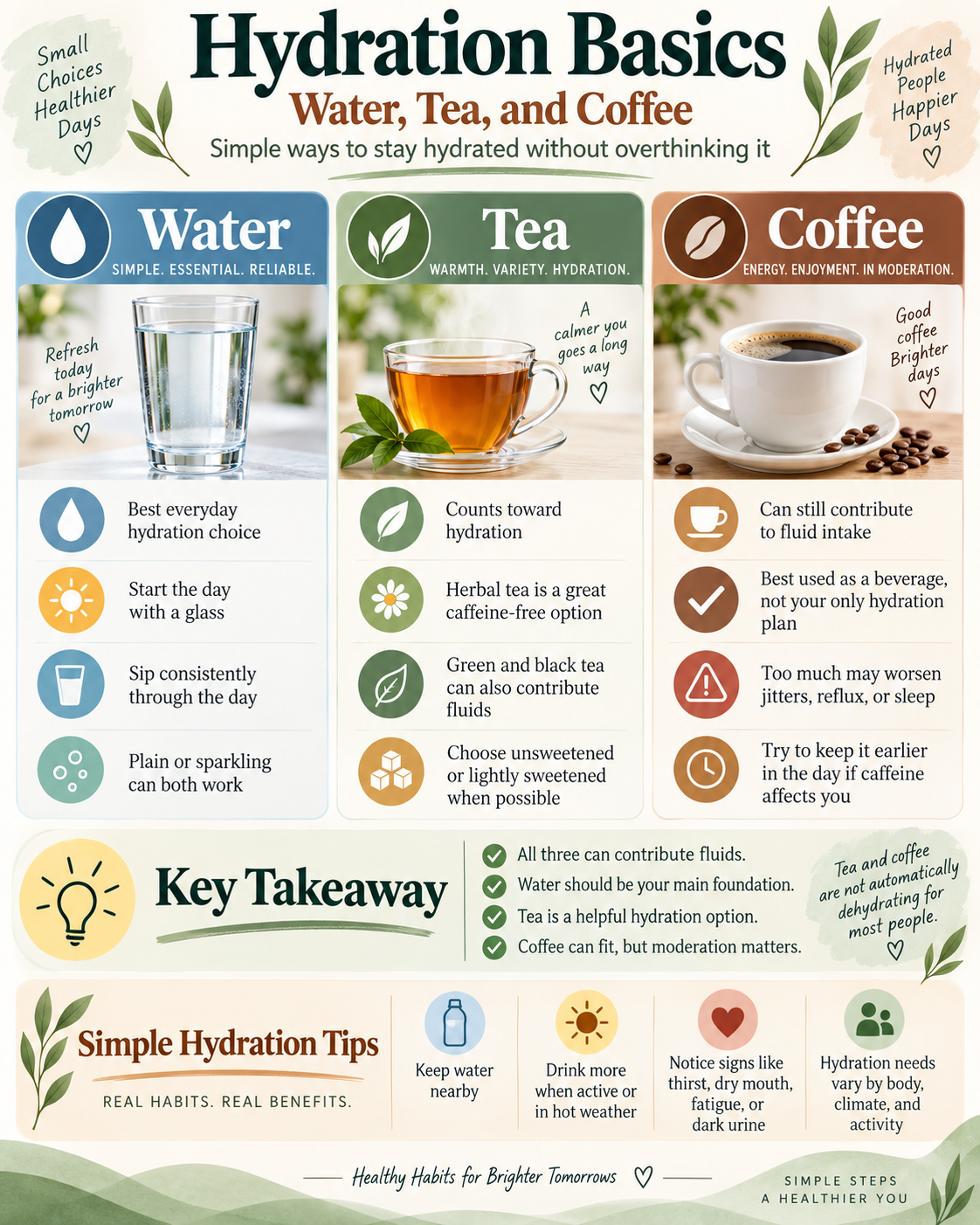
Water should remain the foundation, but tea and coffee can also contribute to total fluid intake for most people.
The distinction I make is this:
Coffee can contribute fluid, but coffee should not become your hydration strategy or your treatment for chronic exhaustion.
If caffeine is affecting your sleep, anxiety, reflux, palpitations, or afternoon energy, consider moving it earlier in the day.
And if you choose to drink alcohol at seasonal celebrations, remember that alcohol can interfere with sleep and contribute to dehydration. I share a practical recovery approach in Wedding Season, Alcohol, and Recovery: A Smarter Way to Celebrate.
5. Think “immune readiness,” not “immune boosting”
Every fall, wellness marketing shifts toward products promising to “boost” immunity.
That phrase can be misleading.
The goal is not to indiscriminately stimulate the immune system.
A healthy immune system needs to recognize threats, respond appropriately, regulate inflammation, and return toward baseline.
That is why I prefer the term immune readiness.
Sleep, adequate nutrition, protein, micronutrients, movement, hand hygiene, ventilation, and appropriate vaccination all matter.
Supplements can sometimes play a role, but they should not replace the fundamentals.
Sleep deserves particular attention.
A 2023 meta-analysis examining sleep around vaccination found that objectively measured sleep of less than six hours per night was associated with a reduced antibody response to vaccination. The authors concluded that adequate sleep around vaccination may be an important behavioral factor in immune response.
That is a powerful reminder that immune health is not only something you buy in a bottle.
Recovery matters.
6. Your gut and immune system are connected
Fall is also a good time to pay attention to the microbiome.
The gut contains an enormous ecosystem of microorganisms that interact with the immune system, digestion, metabolism, and signaling throughout the body.
Instead of trying to find one “perfect probiotic,” start with the foundation.
Fiber-rich foods, plant diversity, fermented foods when tolerated, adequate protein, and minimizing unnecessary ultra-processed foods can help create a healthier dietary environment.
You can learn more about the connection between the microbiome, immune function, hormones, and brain health in my Microbiome and Gut Health Guide.
7. Stress is biology, not simply a feeling
Back-to-school stress rarely comes from one enormous event.
It is usually an accumulation.
Getting everyone out the door.
Traffic.
Work.
Appointments.
Meals.
Homework.
Caregiving.
Financial responsibilities.
Notifications.
Poor sleep.
Your nervous system experiences that cumulative load even when every individual task seems manageable.
Stress also has measurable physiology.
A 2024 systematic review and meta-analysis including 58 studies and 3,508 participants found that stress-management interventions produced measurable changes in cortisol, with mindfulness and relaxation interventions showing some of the strongest effects.
You do not need an hour-long meditation practice to begin.
One of the strategies I teach is a 60-second transition reset.
Before walking into the house after work, before school pickup, or before moving into your next responsibility, slow the exhale, relax your shoulders, and ask:
What is the next right action?
Not the next ten actions.
Just the next one.
For people feeling chronically depleted, my article on Why You’re Still Tired After Winter explores how the nervous system, cortisol rhythm, metabolism, and blood sugar can interact with fatigue.
8. Strength training is not just about looking fit
One wellness trend I am glad to see gaining momentum is the conversation around muscle as part of longevity.
For years, exercise was often reduced to burning calories or losing weight.
That misses a much bigger story.
Muscle supports mobility, glucose metabolism, strength, bone health, physical function, and independence.
For children, movement supports physical development and healthy routines.
For adults, movement supports metabolic health and stress resilience.
For grandparents and older adults, muscle and balance can become directly connected to maintaining independence.
And the research on falls is particularly compelling.
A Cochrane review involving 108 randomized controlled trials and 23,407 community-dwelling older adults found that exercise reduced the rate of falls by approximately 23%.
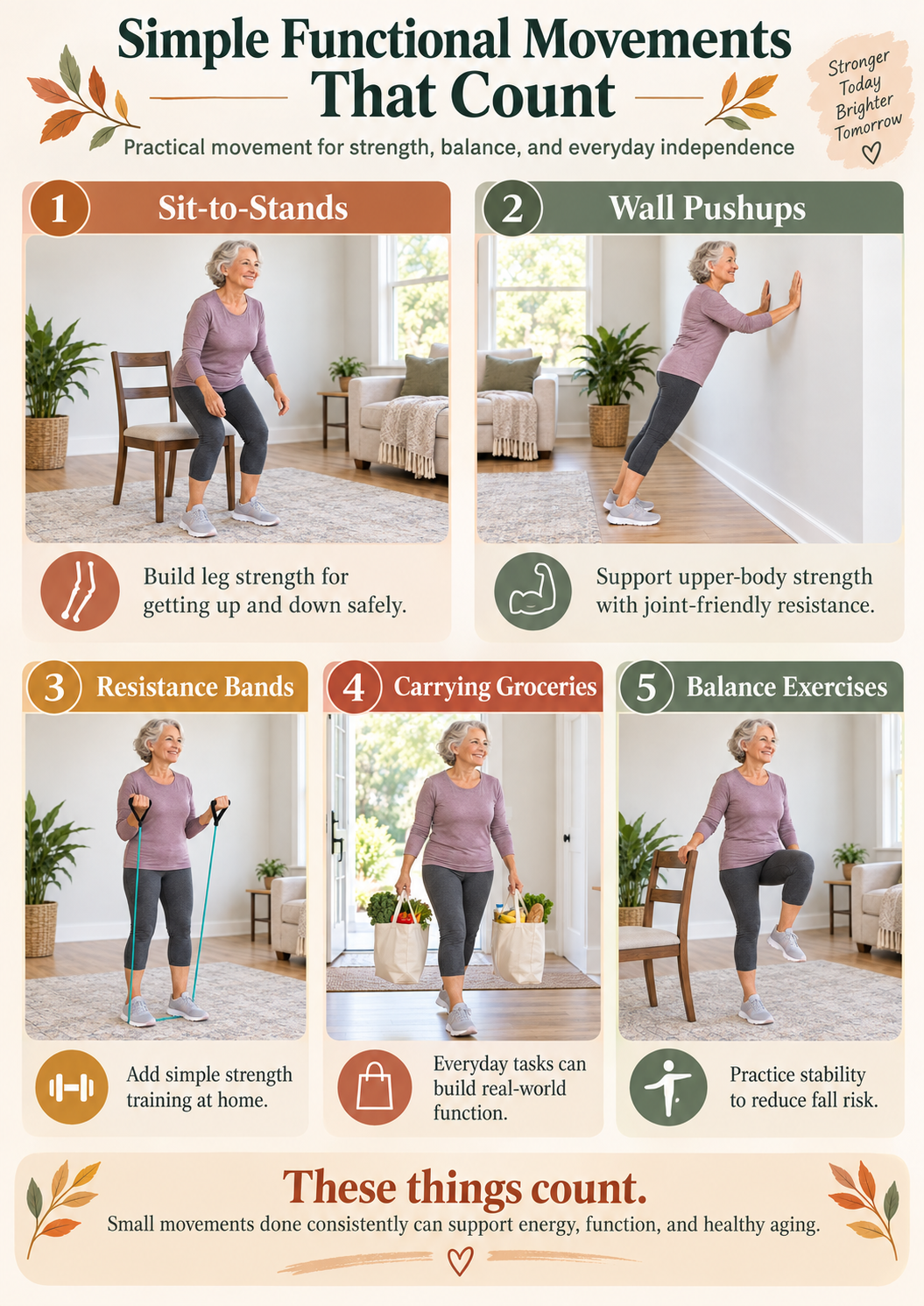
That is why simple movements count.
Sit-to-stands.
Wall pushups.
Resistance bands.
Carrying groceries.
Balance exercises.
Walking.
These may not look like a trendy longevity protocol, but repeated consistently, they can help maintain real-world function.
This is especially relevant for families caring for aging parents. If that is part of your life right now, you may also find my article Aging Parent Needs Help? How to Choose the Right Care Before a Crisis Happens helpful.
9. Do you really need the newest wellness technology?
Wearables, continuous glucose monitors, recovery scores, HRV tracking, cold plunges, red-light devices, peptides, supplements, and longevity technology are everywhere.
Some of these tools can be useful.
But I teach patients to ask three questions:
What problem am I trying to solve?
What does the evidence actually show?
Will this information change what I do?
Your smartwatch may show that your sleep was poor.
But if you already know you stayed up until midnight scrolling on your phone, the most powerful intervention may not be another device.
It may simply be bedtime.
Similarly, IV nutrient therapy has become popular for energy and immune support, but it is not automatically necessary for everyone. If you are curious about where IV therapy may or may not fit, read IV Nutrient Therapy Explained: Benefits, Risks, and Who Actually Needs It.
10. Create a household rhythm instead of chasing perfection
One of the biggest messages from this workshop is that children, parents, and grandparents do not necessarily need completely separate wellness plans.
The details may differ, but the foundational rhythms overlap.
A practical fall routine can include:
Morning: consistent wake time, outdoor light, water, and a protein-containing breakfast.
Daytime: regular meals, fiber-rich foods, movement, hydration, and strategic caffeine rather than constant caffeine.
Evening: lower stimulation, prepare for tomorrow, dim lights, and create enough time for sleep.
Weekly: resistance exercise, balance work, grocery planning, social connection, and intentional recovery.
This is where prevention becomes generational.
Children learn what health looks like partly by watching adults.
Grandparents benefit when movement and healthy meals become part of family life rather than another medical assignment.
And parents often benefit the most when healthy habits reduce decision fatigue rather than adding to it.
That broader philosophy is central to the way I approach health at Prolific Well Integrative Medicine.
A Simple 7-Day Fall Reset
You do not need to change everything Monday morning.
Try one week:
Day 1: Choose a realistic wake time and make it more consistent.
Day 2: Get outside for morning light.
Day 3: Add meaningful protein to breakfast.
Day 4: Walk for 10 minutes after a meal.
Day 5: Practice one minute of slow breathing during a transition in your day.
Day 6: Do a few sit-to-stands, resistance exercises, or balance movements appropriate for your ability.
Day 7: Look at the coming week and prepare for the predictable pressure points.
Then ask yourself:
What actually helped?
Keep that.
You do not need twenty new habits.
You need a few rhythms your body can recognize and rely on.
Frequently Asked Questions About Fall Fatigue
Is fall fatigue a real medical condition?
“Fall fatigue” is not a formal diagnosis. The term can describe fatigue that occurs alongside seasonal changes in daylight, sleep schedules, routines, activity, stress, and other lifestyle factors. Persistent or significant fatigue should be evaluated because many medical conditions can also cause fatigue.
Why am I more tired when fall starts?
Possible contributors include changes in light exposure, earlier wake times, reduced sleep, busier schedules, stress, altered meal patterns, less activity, illness, and seasonal changes in routine.
Can changing my sleep schedule improve fall fatigue?
A more regular sleep-wake schedule may help support circadian stability. Large observational studies have also linked greater sleep regularity with better long-term health outcomes, although these studies cannot establish cause and effect.
What foods can help with afternoon fatigue?
Start by building meals around adequate protein, fiber-rich carbohydrates, healthy fats, vegetables, fruit, and sufficient hydration. If recurrent fatigue continues despite appropriate nutrition, consider evaluating other causes rather than continually treating it with caffeine or sugar.
Does protein matter more as we age?
Yes. Aging is associated with changes in muscle protein metabolism, and expert groups such as PROT-AGE have recommended higher protein intake for many healthy older adults than the standard adult minimum. Individual needs vary, especially in people with kidney disease or other medical conditions.
What is the best supplement for fall immunity?
There is no single supplement that replaces sleep, nutrition, physical activity, hygiene, vaccination when appropriate, and management of underlying health conditions. Supplement needs should be individualized based on diet, medical history, medications, and laboratory findings when relevant.
Can stress actually affect cortisol?
Yes. Cortisol is an essential hormone involved in the normal stress response. A systematic review and meta-analysis of randomized trials found that stress-management interventions can measurably influence cortisol levels.
How much can exercise reduce fall risk in older adults?
A Cochrane review found that exercise programs reduced the rate of falls by about 23% among community-dwelling older adults.
The Bottom Line
Fall does not have to mean pushing through exhaustion until the holidays.
Instead of asking:
“What supplement can give me more energy?”
Start with:
“What rhythm has changed?”
Look at your light exposure.
Sleep.
Meals.
Hydration.
Movement.
Stress.
Recovery.
Then rebuild one rhythm at a time.
Health is rarely created by one dramatic intervention.
It is usually built through signals your body receives repeatedly.
And when those signals become part of your household, you are doing more than supporting your own health.
You are helping create a culture of prevention for your children, parents, and grandchildren.
Watch the Full Prevent Fall Fatigue Workshop
In the full workshop, I walk through practical strategies for resetting energy, sleep, immune readiness, nutrition, stress rhythm, muscle health, and family routines as we transition into fall.
Dr. Evelyn Le Ellis, ND, MPH, FAIHM
Prolific Well Integrative Medicine
Olympia, Washington
References
Windred DP, et al. Sleep regularity is a stronger predictor of mortality risk than sleep duration: A prospective cohort study. Sleep. 2024;47(1):zsad253.
Spiegel K, et al. A meta-analysis of the associations between insufficient sleep duration and antibody response to vaccination. Current Biology. 2023;33(5):998–1005.e2.
Bauer J, et al. Evidence-Based Recommendations for Optimal Dietary Protein Intake in Older People: A Position Paper From the PROT-AGE Study Group. Journal of the American Medical Directors Association. 2013;14(8):542–559.
Rogerson O, et al. Effectiveness of stress management interventions to change cortisol levels: a systematic review and meta-analysis. Psychoneuroendocrinology. 2024;159:106415.
Sherrington C, et al. Exercise for preventing falls in older people living in the community. Cochrane Database of Systematic Reviews. Review included 108 RCTs and 23,407 participants.


